[ Content | Sidebar ]

On Turning 20

December 1st, 2021

Written by: Rik

For some reason, November 2001 has been retained in my head as the significant month when it comes to the origins of this site: I figured while it probably was not when Stoo put the first incarnation of FFG online, it was at least roughly when my initial ramblings were published.

This is, it turns out, both definitively and verifiably wrong, with even a cursory check of publication dates on the site itself highlighting reviews from much earlier that year. (Goodness knows why I never bothered to check until now). And while I’m certain that Blade Runner was definitely the first game I ever reviewed here, exactly when that piece was first written remains a mystery, due to some early 00s tinkering with the write-up. (The Wayback Machine can retrieve the original, but we didn’t put dates on our reviews back then).

Ah well. Such things probably don’t really matter very much to anyone, except possibly me. And they don’t really matter very much to me, either. But there is a reason why I’m writing this piece now, other than the usual lack of time or organisation: it was part of a semi-deliberate plan, even if the underlying reasons for that plan happened to be completely invalid.

Anyway, whichever way you look at it, A Force for Good has now been online for at least 20 years, and despite our humble status in this quiet corner of the web, it still seems like a significant milestone, worthy of some kind of acknowledgement. We may not have been the most prolific site in terms of reviews over the years, but it’s fair to say that new content has been in fairly regular supply: there have been a few quiet moments, but rarely long periods of complete silence.

We’ve marked previous anniversaries with a combination of attempts at special features and blog posts. Looking back, the 10 year anniversary was the first obvious and significant one to be acknowledged: I wrote When I Played to mark 15 years because, while there was no active talk of winding things up, the thought of reaching 20 at that stage seemed a rather ludicrous and far-fetched notion. But here we are.

Hopefully you’ve noted our series of double-feature reviews: we’ve got a couple more planned, although they may well leak into next year now. So this is where I try and fail to say something interesting and/or profound about the site from a personal perspective (Stoo may well be along at some point to add some thoughts of his own). And, in a break with tradition, I’m going to try and avoid repeating things that have been said on previous occasions. (If it turns out that I have done so, anyway, apologies: I’m getting forgetful in my old age).
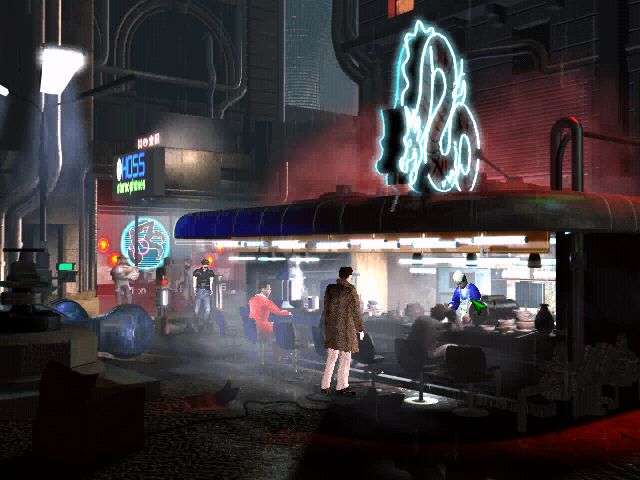
If it turns out Blade Runner wasn’t actually my first review then my head will explode. But we’ll never know.

One thing that I probably haven’t really expressed in the past is just how exciting it was in 2001 to write something that would be published online. In those days, coding even a fairly basic site required a certain level of expertise, and was definitely beyond me at the time. Even though Stoo put a fairly self-deprecating note on the front page that compared his skills to that of a primate, I was (and remain) impressed not only by his ability to put everything together in the first place, but also improve the site along the way, both in terms of looks and functionality.

(A proper site history is probably beyond us at this point, but from memory there was significant tinkering with the review and menu appearance and format in the early days, before search options, a content management system, video clips and the pre-Wordpress blog – the FFG journal – all followed later in the 00s).

At that stage, there were definite parallels with the world of physical publishing, in that I had to send my reviews off, plus screenshots, via e-mail, and wait for them to be formatted and published. Around this time, I was also working for the student newspaper at university, which had very similar requirements. And while nothing quite beats having your name in print (no matter how banal the subject matter or insignificant the circulation) I experienced a similar level of excitement from receiving an e-mail from Stoo saying FFG had been updated as I did in picking up a copy of the newly-published university rag.

FFG felt like it existed in a pre-blog world, before non-professional writing and publishing on the web was quite as accessible, mainstream or widespread. As this changed over the years, that special feeling of ‘having a website’ sort of wore off, before blogging itself became seen as outdated and irrelevant in the world of social and video content.

In that time, it would have been unusual for our thoughts and feelings about the site and its intended audience to remain completely constant, and from my point of view there were certainly times where the mind wandered to the possibilities that may exist for promoting FFG more widely, trying to attract a wider audience, and embracing new-fangled media channels.

Occasional dabblings aside, though, things here have rarely strayed too far from the original intent, i.e. writing down a few thoughts about old games in the hope that they may be of interest for like-minded gamers to hazard upon one day. Although FFG now has a blogging platform, a mobile site, and a (limited) social media presence, we remain, for better or worse, a fairly Web 1.0 outfit in most respects. Possibly we’ve circled back to the point where ‘having a website’ – at least in this form – is unusual again. And I quite like that! (Does this mean FFG is itself retro? We’re certainly old enough.)

Plenty has changed around us, of course, although I’m not sure there have been as many significant developments in the world of old PC gaming in the last 10 years of our history as there were in the first 10. As Stoo noted back then, the availability of oldies for purchase on the likes of GOG and the accessibility of tools like DOSBox and ScummVM were massive game-changers, and in my case meant that suspicion of new versions of Windows and hoarding of retired PC towers were less crucial when it came to playing and reviewing oldies.
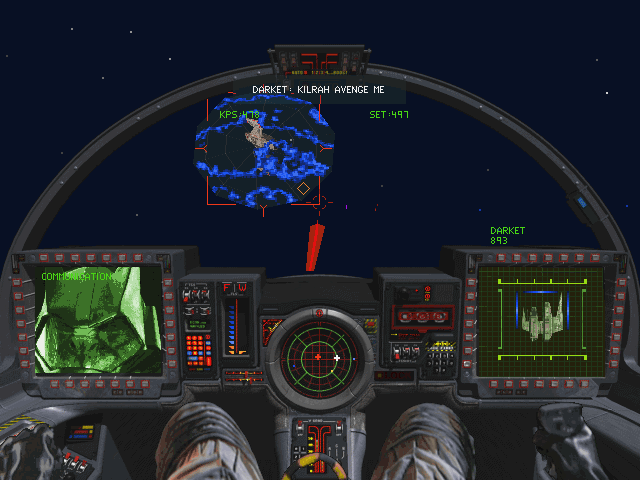
Playing this on a 486 was certainly time consuming. And not in a good way.

DOSBox and ScummVM compatibility has only improved since, with the increase in processing power over the years also allowing more demanding games to be run with ease. (I never imagined I’d see the day when you could buy Wing Commander III for a couple of quid, download it in minutes, and have it installed and running in a window on your desktop).

Games designed for Windows 95 and 98 which don’t agree with the modern 64-bit iteration are possibly the next major hurdle to be overcome: although I know some have had success with virtual machines, my own tentative steps into that world have had mixed results. And there’s never quite been a title that I simply had to get working to motivate me in this regard (if you excuse the brief period of madness trying to get to the bottom of why this old football game kept crashing).

A part of me does miss the slightly nerdy hobbyist aspect of fiddling about with old machinery and CDs, although there was certainly an element of spending too much of my time on getting something up and running and not enough on actually playing and enjoying the games back then. A focus on the technical side of things is something that seems to have become increasingly prevalent in retro circles these days, although in fairness this is often in the context of discussing a re-release, retro collection or mini-console which is being sold for money, when in the past the titles in question might have been illicitly downloaded and emulated at no cost to the player.

While we’ve always tried to advocate buying old games when available, I must also admit to an element of wistfulness for the old days of excitedly browsing abandonware sites. Certainly, preserving old games and making them legally accessible is a worthy cause, although whether the motivations of the companies who belatedly cottoned onto the market for such things are quite so pure is open to question. (The recent trend for removing perfectly functional – and affordable – PC games from sale to be replaced with so-called ‘remastered’ versions would suggest not).

My own gaming habits have also changed over the years: from being a relentless tinkerer, playing the first couple of hours of lots of games, to now only really starting those that I intend to finish. For the sake of the site, the development of an ability to focus has been a blessing, and I certainly prefer experiencing, understanding, and (ideally) completing a game to endless fiddling, although I do sometimes wonder if it would really be so bad if I dipped into a few more titles from the backlog to see what they were all about from time to time.

Perhaps some of that early restlessness came from the sense shared by our generation of gamers that it was actually possible to keep up with and across what was happening with all games of all genres at a particular time: a monthly magazine in the 90s/00s would pretty much review everything that was out there, while the playable demos on the cover-mounted CD would give you a taste of what was going on, outside of those titles that you actually bought and played.
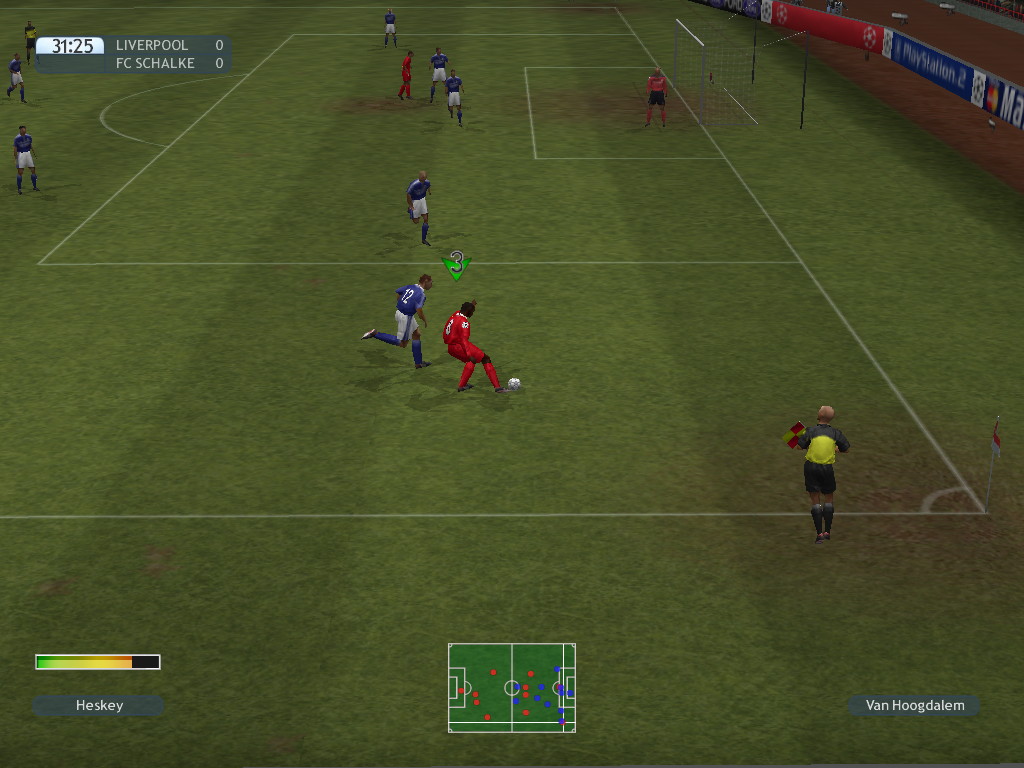
UEFA Champions League 01/02: a virtual machine doesn’t solve your problems.

Magazines are sadly now a dying breed, but those that are still going these days have no chance of giving a modern gamer such a broad overview of what’s out there, and instead focus on a handful of interesting and/or noteworthy titles. The explosion of indie games, in particular, mean that even the most prolific and well-resourced websites can’t keep up. We’re a long way from the days when the Indie Zone pages of PC Zone would feature a handful of crap-looking arcade shooters.

(Incidentally, the indie scene’s revival of the point and click adventure, and its reimagining of the genre through the short-form first-person narrative format was the most significant development in ‘modern’ gaming that had an impact on me during the past 10 years, to the extent that I lobbied for the occasional step outside the roughly-defined parameters of what we usually cover here for a handful of reviews, as well as establishing a semi-regular discussion series. It’s another unforgiveable retro-crime to add to the list of those perpetrated by FFG over the years, for which I take full responsibility).

But the widely-held notion of 20 years ago that it was perfectly possible (and desirable) to know about all games was, looking back, utterly ridiculous. I was as guilty as anyone else in this regard, and will admit to thinking at various points during FFG’s lifespan that there was a big list of ‘significant’ games that could be ticked off once covered: a journey towards some logical endpoint that would one day be completed. In fact, I distinctly remember once glancing through a longlist of possible future titles for review, not particularly fancying any of them, and wondering if I’d actually written about everything that interested me already.

This thought, most likely the result of treating a fun hobby like a job, was soon dismissed as ludicrous, and ultimately started the train of thought that led to the Vault of Regret and The Big Cardboard Box: not only did I not play all of the games that I actually used to own, I couldn’t even remember what they were.

Clearly, trying to track down and review all these titles would also fall into the category of turning something light-hearted and enjoyable into a grim tick-list of tasks, the completion of which would not, in all likelihood, provide any sense of accomplishment or closure in any case. But the realisation that such a quest would remain a lengthy and time-consuming one despite the many years already spent playing and writing about old games does underline just how much more is still out there waiting to be rediscovered and enjoyed.
Not retro.

And, at the time of writing, my own motivation and capacity to do so remains. Who knows what life has in store, and what may cause that to change? But for the time being, I hereby renew my commitment to offer an ongoing contribution to this slow-moving review site, dedicated to the world of PC gaming between 1990 and 2010 (plus a few outliers).

Thanks very much, as always, for reading.
Review: Crusader: No Remorse

November 17th, 2021

Written by: Rik

Hi there.

Today we have a review of an old PC game. I know, I know: stop it with all the crazy new ideas.

The title in question is Crusader: No Remorse.

Inside The Big Cardboard Box: (Mostly) Xplosiv

November 8th, 2021

Written by: Rik

Inside The Big Cardboard Box is where we delve into the history of the largely defunct world of boxed PC games, with a particular emphasis on all the ones I used to own, but later gave away or sold.

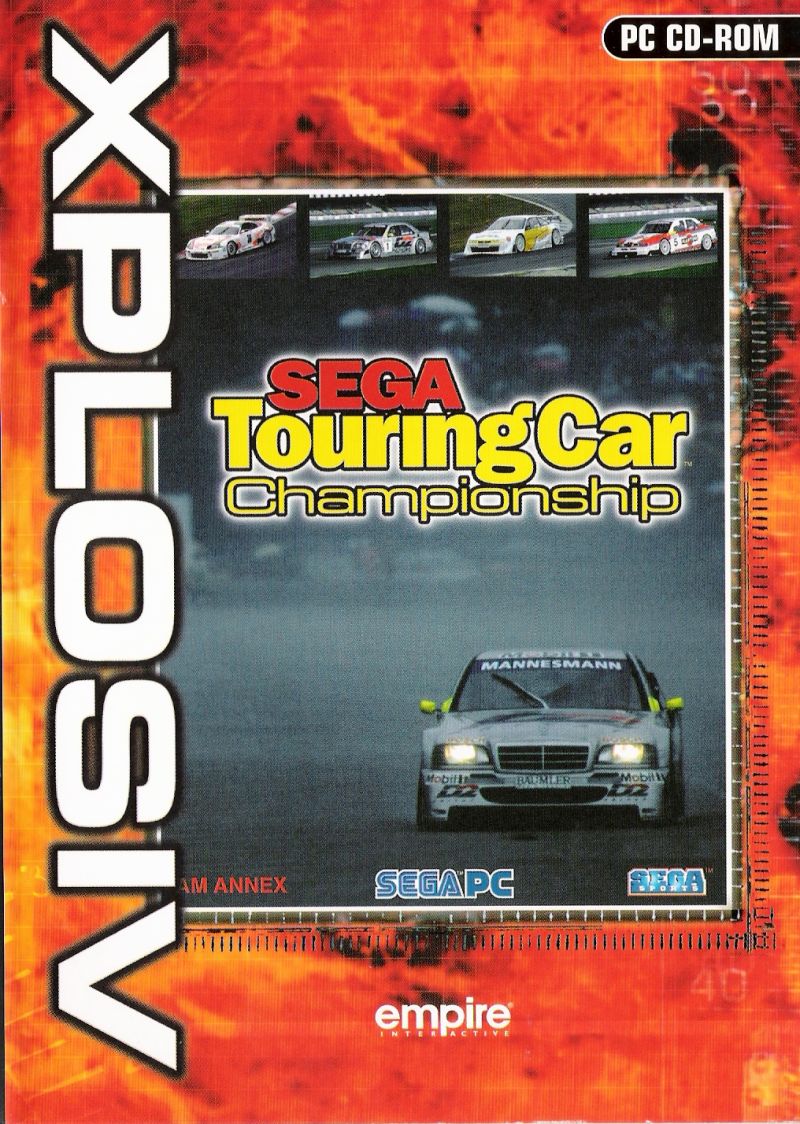
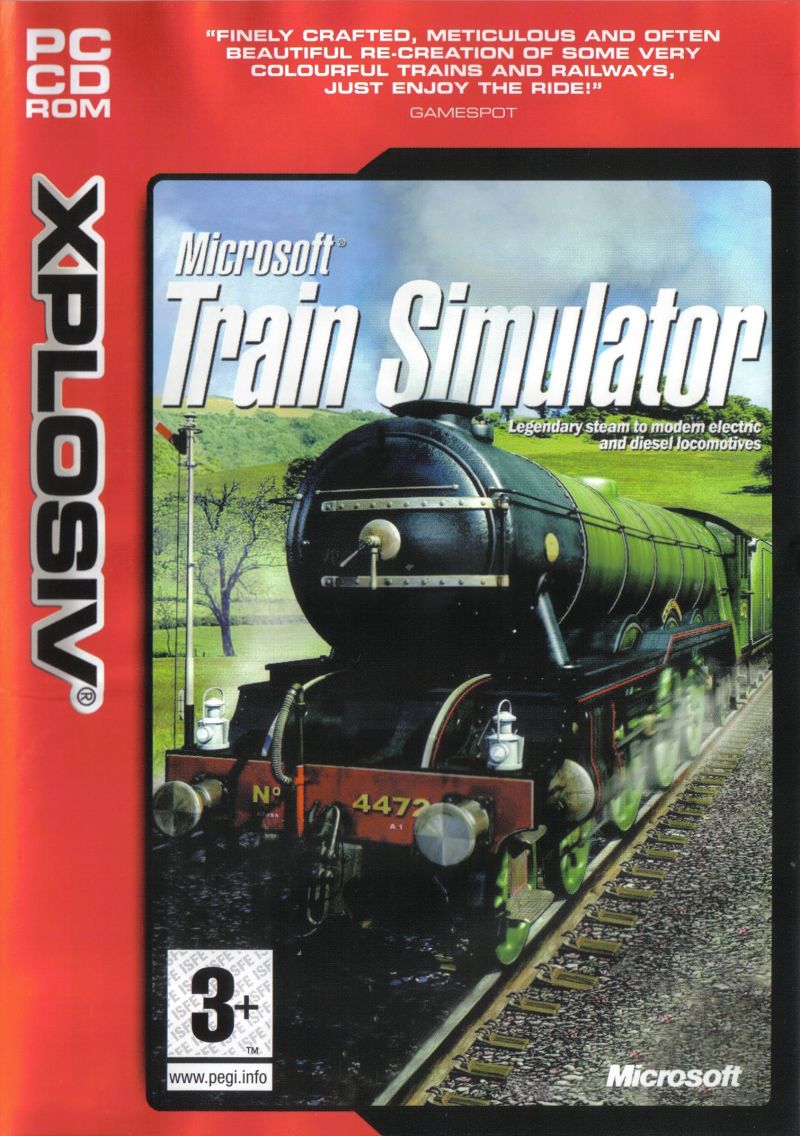
I don’t know why, but Empire’s Xplosiv range is the one that I most associate with 00s gaming landfill. Possibly it’s the slightly naff name or the flame-based !!awesome!! packaging. Or maybe it’s the fact that they did re-release quite a few stinkers, and also tried to bundle them together in a ‘we had a warehouse full of these already’ type move.

We mentioned their Top Ten compilation last time, a collection of Sega Saturn ports mixed with pinball, cricket and chess. Apparently, there was also a second Top Ten release in 2003, which again bundled PC versions of games from a defunct Sega console (this time the Dreamcast) – Crazy Taxi, Virtua Tennis, The House of the Dead 2 – with seemingly incongruous PC titles like Warrior Kings, Call to Power II and Comanche vs Hokum. Strangest of all, and entirely reinforcing my accusations of them endlessly repackaging the same stuff, there’s Sega Touring Car Championship again, which was already included in the first one. (And was pretty rubbish, if I remember).

As with the first Top Ten collection, all of the component games had an individual release on the label, and I still have my copy of Crazy Taxi, the purchase of which, as I mentioned already, meant that I unwittingly also ended up with a copy of the terrible Ford Racing 2001, surreptitiously hurled into the box with a hastily-applied sticker on the front informing you of this delightful free gift.

I think it probably is the prominence of the likes of Ford Racing and Empire’s other slightly uncool titles, like International Cricket Captain, that sullied its brand slightly. Although they also weren’t above re-issuing some absolute toss like London Racer/M25 Racer from Davilex (‘Real city, country and motorway tracks through London, Oxford and the M25!’)

Otherwise, it was largely similar to Sold Out: cheapo presentation and manuals in PDF on the CD, although I’m not sure the same 5 quid price tag was adhered to consistently: I think Xplosiv probably ended up there but I think they started out more at the £10-15 range. In terms of flooding the market with cheaper copies of a wide range of games, though, they had a similar impact.

And, as with Sold Out, I can’t quite figure out whether I imagined them releasing way more games than they did, or it’s just that the list on MobyGames is incomplete. I think it’s probably a combination of the two, as Internet sources elsewhere confirm their release of Tony Hawk’s Pro Skater 2, which was also available in a double-pack with Matt Hoffman’s Pro BMX. And I had a copy of the former, which definitely went into the Big Cardboard Box of 2002: I think I’d just picked up the third game on PS2 and figured I’d be spending more time with that (I didn’t).

But, Sega ports and Ford Racing aside, Xplosiv also re-released some fairly respectable and high profile games, including Microsoft titles like Flight Simulator, Age of Empires and Midtown Madness 2. Plus the two post-Wing Commander efforts from Erin and Chris Roberts, published by Microsoft: Starlancer and Freelancer. Both of which remain in my collection, although sadly largely unexplored: despite my fondness for Wing Commander, I got stuck quite early on in Starlancer (I think due to my failure to intercept missiles heading towards a carrier I was meant to protect? Or is that just my excuse for giving up on all space combat sims?)

Their deal with Activision meant they could re-release various 00s Star Trek games of variable quality, including Hidden Evil, Armada and the once-discussed-on-FFG Away Team. Plus Voyager: Elite Force, which I still have in my collection. Although Elite Force II and Bridge Commander never made it, I don’t think, for some reason.

As with Sold Out, I think I tended to hold onto my Xplosiv discs as they were easy to store and didn’t have massive resale value. I even still have a copy of the notoriously tricky strategy title Hidden and Dangerous, my chances of ever playing which are slim to none. Having said that, I do seem to have relieved myself of the physical copy of Grand Theft Auto 2 that I once owned, which is odd, because I tend to keep copies of everything I review on the site, regardless of how little I care for the game itself. Possibly I interpreted the early GTA games’ availability for download via Rockstar’s website as being an indefinite arrangement, rather than something that can be taken away as freely as it was given (as it has now been).

After the early 00s boom of cheap budget titles, Xplosiv releases, like many others, petered out towards the end of the decade. There was a belated attempt to tone down the packaging to a slightly more muted red and black affair, but with the explosion-themed name remaining unchanged it made for a slightly incoherent combination.

Despite seemingly wanging on about old budget labels for several thousand words over the course of this series, a flip through the old CD wallet reveals it to have been a less than exhaustive round-up: Focus Multimedia were also fairly prolific in the 00s, re-releasing most of the CSI games, later under the Revival brand, while my copy of Trickstyle bears the markings of a short-lived Acclaim budget range which I think also included the late-90s Descent-a-like Forsaken.

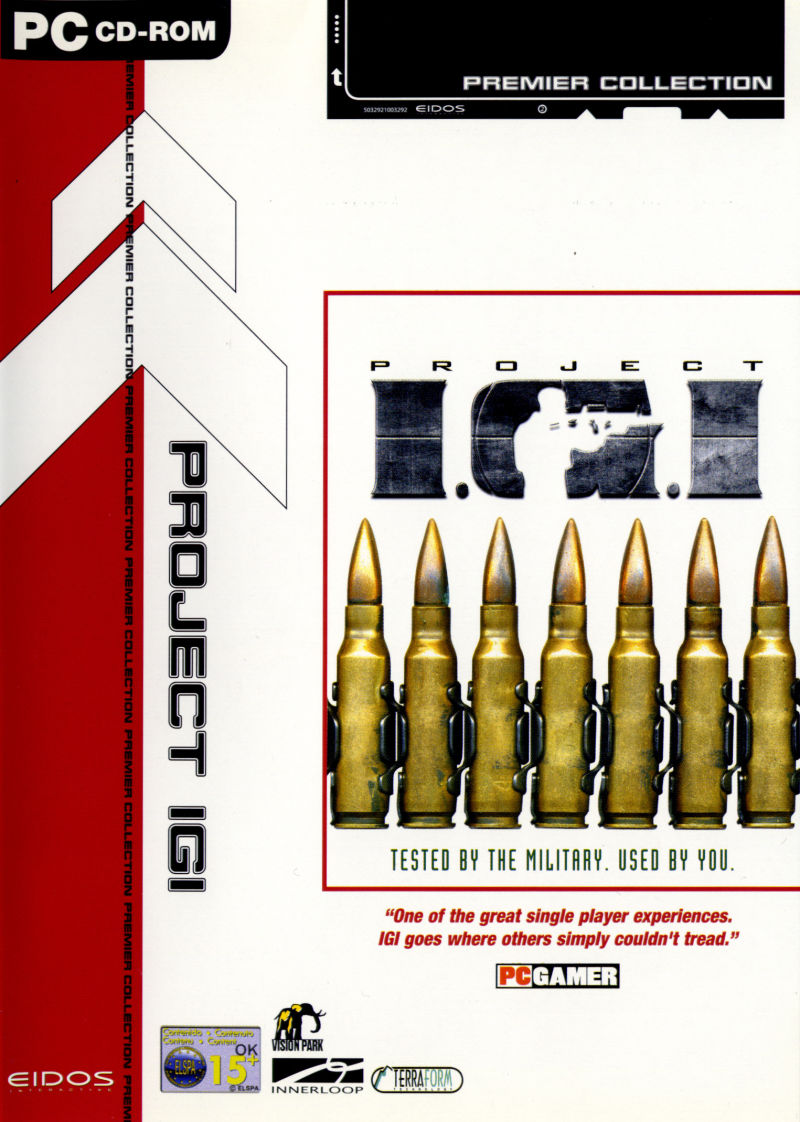
The Elder Scrolls: Morrowind was from Ubisoft’s budget range, eXclusive, which also brought affordable copies of various Splinter Cell games (definitely since discarded via the metaphorical box). My copy of Deus Ex bears the markings of the Premier Collection, a late 90s/early 00s budget range from Eidos, which I think began life as a big box/manual/jewel case deal (games like Thief: The Dark Project and Tomb Raider were re-released in this format) before switching to DVD cases for the likes of DX, Hitman: Agent 47, Anachronox and later instalments of Tomb Raider. Oh! And Project: IGI, which I definitely owned – and played – at one stage, until I lost patience and got annoyed at the lack of a mid-mission save.

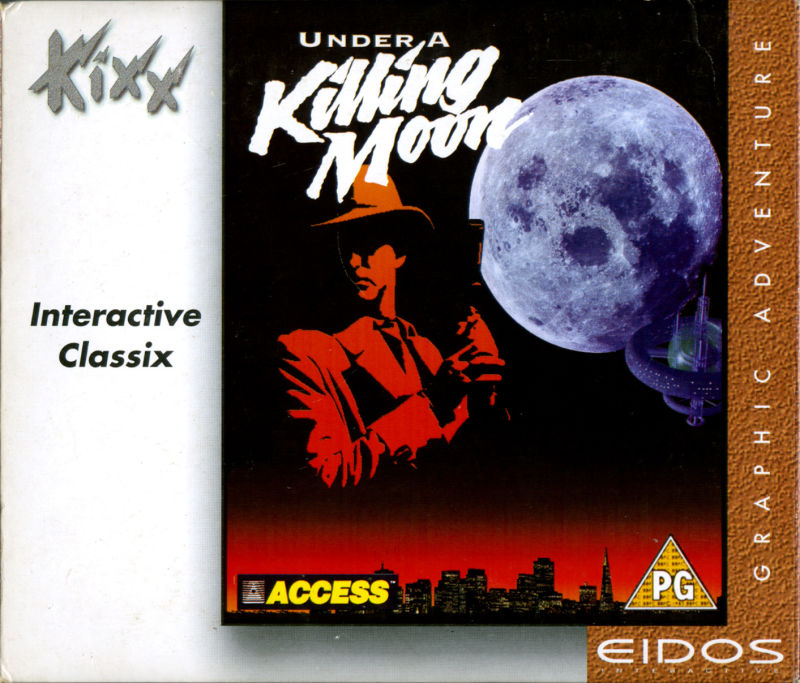
All this Eidos talk leads down a rabbit hole towards an earlier short-lived range of theirs which also bore the Kixx branding of publishers U.S. Gold. My copies of Olympic Soccer, Under a Killing Moon and a largely-forgotten F1 game called Power F1 came from this range. They also re-released Big Red Racing, too, although I think I bought the big box version of that one, for some reason (and came to regret it). I’m not sure what I did with my copy, although maybe it was donated to Stoo at one point, since he reviewed it here.

As an exercise in jogging the memory, this series has sort of worked, but has also left me feeling as old and forgetful as ever. I guess the main takeaway is: there were loads of budget labels in the UK in the 90s and 00s, and I must have owned at least one game from each of them at some point. Plus, despite bits and pieces of detail coming back, there’s absolutely no chance of me remembering what old games used to be in my collection with any degree of certainty.

So, unless I suddenly call to mind another load of compilations or budget labels [please, no! – a reader] it’s probably time to start winding this series down. Coming next time: a piece that tries to sum all of this up, somehow.

—

NB: All scans sourced from MobyGames.

Discussion: Sagebrush (spoilers!)

November 1st, 2021

Written by: Jo

Hello and welcome once again to our semi-regular discussion series on modern (or at least fairly recent) indie games.

As you know, Rik normally takes the lead on these discussions, but today he’s handed the editing baton to me, Jo – long-time FFG work experience kid. You never know, if it goes well, I might land myself a full-time position.

Anyway, for today’s review we’re taking a deep dive into the mysterious world of cults with Redact Games’ Sagebrush. It’s probably one of the lesser known titles we’ve reviewed in this series so far.

Set in the remote New Mexico desert, you find yourself exploring the abandoned Black Sage Ranch – site of the 1993 Perfect Heaven mass suicide. Wandering through the compound, you find out about the people who lived there, how they came to join the cult, and the events leading up to their tragic demise.

If you’ve read other reviews in this series, you’ll know that at this point we don’t like to say too much. Generally, with these games we feel you’re best going in knowing very little, and as these discussions tend to be an absolute spoiler-fest, we like to provide plenty of warning before we get stuck in.

So if this sounds like it might be your cup of tea, then we implore you to stop reading here, give Sagebrush a go, and then join us when you’re done.

And I think (without spoiling our own review) we would both thoroughly recommend giving this one a try.

Here’s your ***FINAL SPOILER WARNING***

Alright, let’s get into it.

Discussion: Sagebrush (spoilers!) continued »

Review: Realms of Chaos

October 18th, 2021

Written by: Stoo

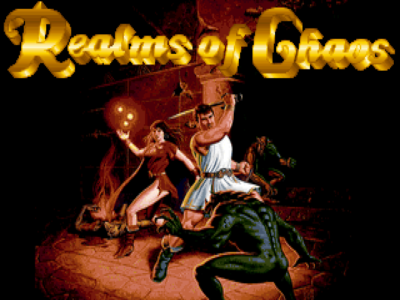
Hello everyone, hope you’re doing well. It’s been another year without much input from me so far, but I’ve finally gotten myself organised and made time to write a review. So today we’re looking at another platform game from shareware giants Apogee Software: Realms of Chaos.

Review: Grand Theft Auto / Grand Theft Auto: Vice City

October 13th, 2021

Written by: Rik

Hello!

We have another double-bill for you today.

For the retrospective, there’s a look back at the original Grand Theft Auto, released in 1997 and covered here in 2004.

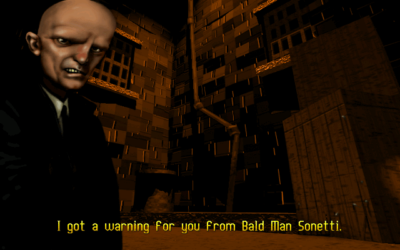
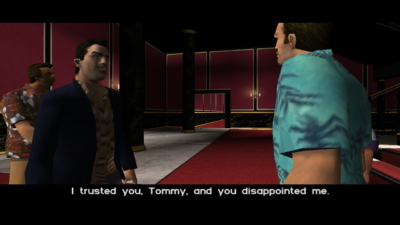
And, just in time for news of its removal from sale, with a ‘remastered’ version apparently around the corner, we also have a review of 2003’s instalment of the series, Grand Theft Auto: Vice City.

Happy Birthday ScummVM

October 11th, 2021

Written by: Stoo

We’ve mentioned a few times that year is the 20th Anniversary of A Force for Good, the internet’s top source of classic PC gaming reviews and commentary. Turns out though, we share that milestone with another retro gaming project that we must admit is just a little more important. The 9th of this month marks two whole decades since the first release of ScummVM.

That of course is the application that allows us to play those old graphical adventures on a modern PC. It was originally built to run Lucasarts games – Monkey Island, Sam and Max and so on, hence the reference to their Scumm game engine. Since then, the team have added support for games from Sierra, the company who invented the genre and remained Lucasarts’ biggest rival, and a bunch of other publishers also.

Some folks might point out how the MS-DOS emulator DOSBox (itself almost as old) can do everything ScummVM does and more, running just about all the games from those days. Certainly it’s a marvellous piece of software. Still, I’ve always found ScummVM more user friendly. It comes with a built-in GUI, rather than requiring you to edit text files or seek out third party software. I’m also happy to skip deliberating over all of DOSBox’s myriad configuration details, like cpu cycles and rendering options. Here you just add the game directory to the list, maybe choose a graphics filter, and off you go.

It’s been ported to a few other systems, including consoles and handhelds, although I think you need to unlock them to enable homebrew software. There’s also an android port (freely available on the app store) which is the only emulator* I’ve ever had any real use for on phones and tablets. Most of the games are pointer-driven, and that survives the transition to touchpad a lot better than keyboard or gamepad controls. Doom or a platformer with on-screen buttons are godawful, and pairing up a bluetooth controller is just another peripheral to carry around. Day of the Tentacle is, however, the perfect way to pass a transatlantic flight.

Going further back, there was even a port to ye olde Windows Mobile, back in the dark ages of handhelds before iphones were invented. I mention it because I’m fairly sure ‘s how I first completed the original Monkey Island sometime in the mid-2000s.**

Nowadays if you buy your old games from gog, you’ll find adventures come bundled up with ScummVM, ready to run. They’ve been running a sale to celebrate the anniversary which ends, erm… today. Well if you do make it in time and want to revist some classics then my picks would be…. Loom, Fate of Atlantis and over on the Sierra side Conquests of Camelot. Rik meanwhile is a big fan of Blade Runner. If you’re wondering where the first two Monkey Islands are, the original versions aren’t available. Instead there are newer Special Editions with updated graphics and other improvements; these were created for windows and don’t require ScummVM.***

Meanwhile the ScummVM guys themselves have a new update, which you can read about on their site. Most significantly they’ve added support for some of those late-90s games that brought in 3D elements to the graphics, such as Grim Fandango or The Longest Journey.

So then, our thanks to the team for all their work in helping us enjoy classic adventures, and for keeping the project alive for two decades. Long may it continue.


*ScummVM isn’t actually an emulator, more like a replacement executable, but you get the idea.

**Why so long to play such an essential game? I’m not sure. I recall playing the first act over and over and never getting any further.

***both of which let you play the games in their old VGA-and-midi-music state. Still on some level it bugs me that the originals no longer exist as separate downloads.

Review: Beijing 2008

September 30th, 2021

Written by: Rik

Hi there.

While acknowledging that even the vaguest notions of topicality in these parts are by now long gone, it’s only just over a month since the last Olympics finished, so we’re only a little bit late with this review.

(Or, alternatively, we’re about 34 months early for the next one, however you want to look at it).

Here’s Beijing 2008 from Eurocom.

Inside The Big Cardboard Box: Lost and Found

September 21st, 2021

Written by: Rik

Inside The Big Cardboard Box is where we delve into the history of the largely defunct world of boxed PC games, with a particular emphasis on all the ones I used to own, but later gave away or sold.

So far, one of the stated aims of this series – to try and remember what on earth happened to my old games – has been fairly unsuccessful. But finally (and somewhat unexpectedly), some of what was previously thought lost has now been found, with the process of assisting my dad with a clear out of stuff from his flat unearthing around 20 or so CDs.

Helpfully for the format of these articles, most of them happen to fall into one or other of the categories covered already. Although, equally unhelpfully, in some cases neither the jewel case, nor the physical media itself, provide any clues as to whether the game was part of a compilation, a budget release, or a bone-fide full-price effort. Still, I guess half of the fun is trying to piece all of this together, right? [For you, maybe – FFG reader]

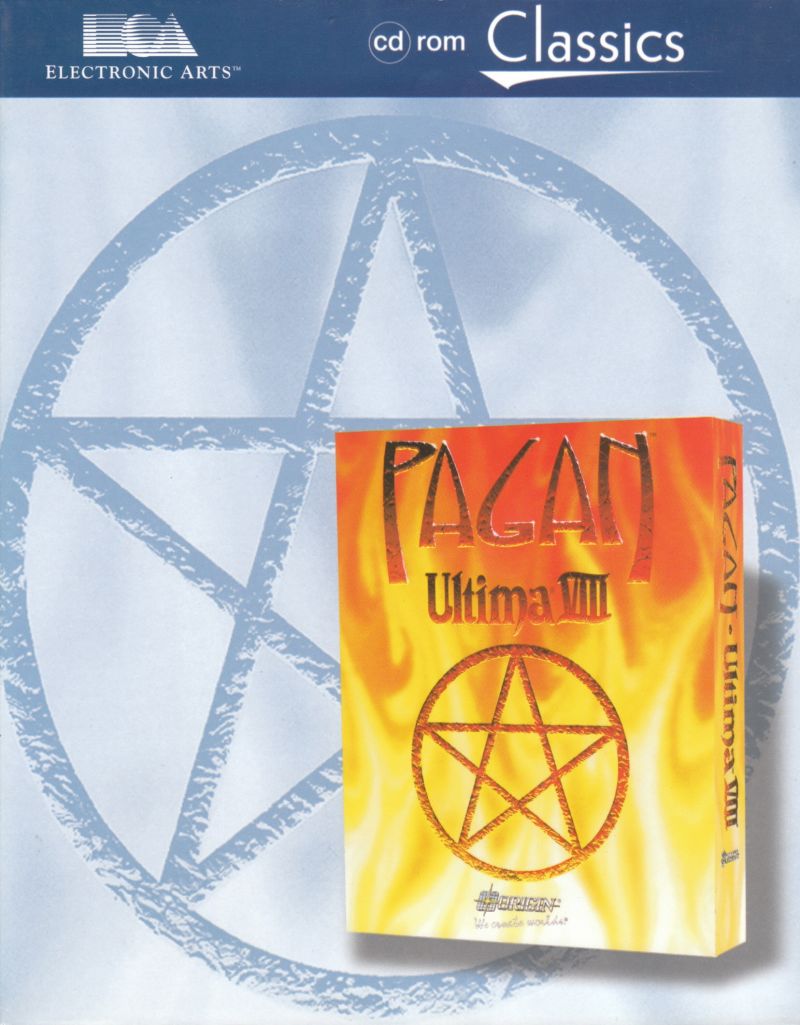
To start with, there are quite a few EA titles, and I’m pretty sure that the origins (Origin(s)!) of the copy of Pagan: Ultima VIII that was found among the discs here were as an EA Classics re-release (mid-90s, light blue packaging era). Like many of these games, this was actually my dad’s, rather than mine, although I can’t remember it being a regular fixture on the family PC at any point.

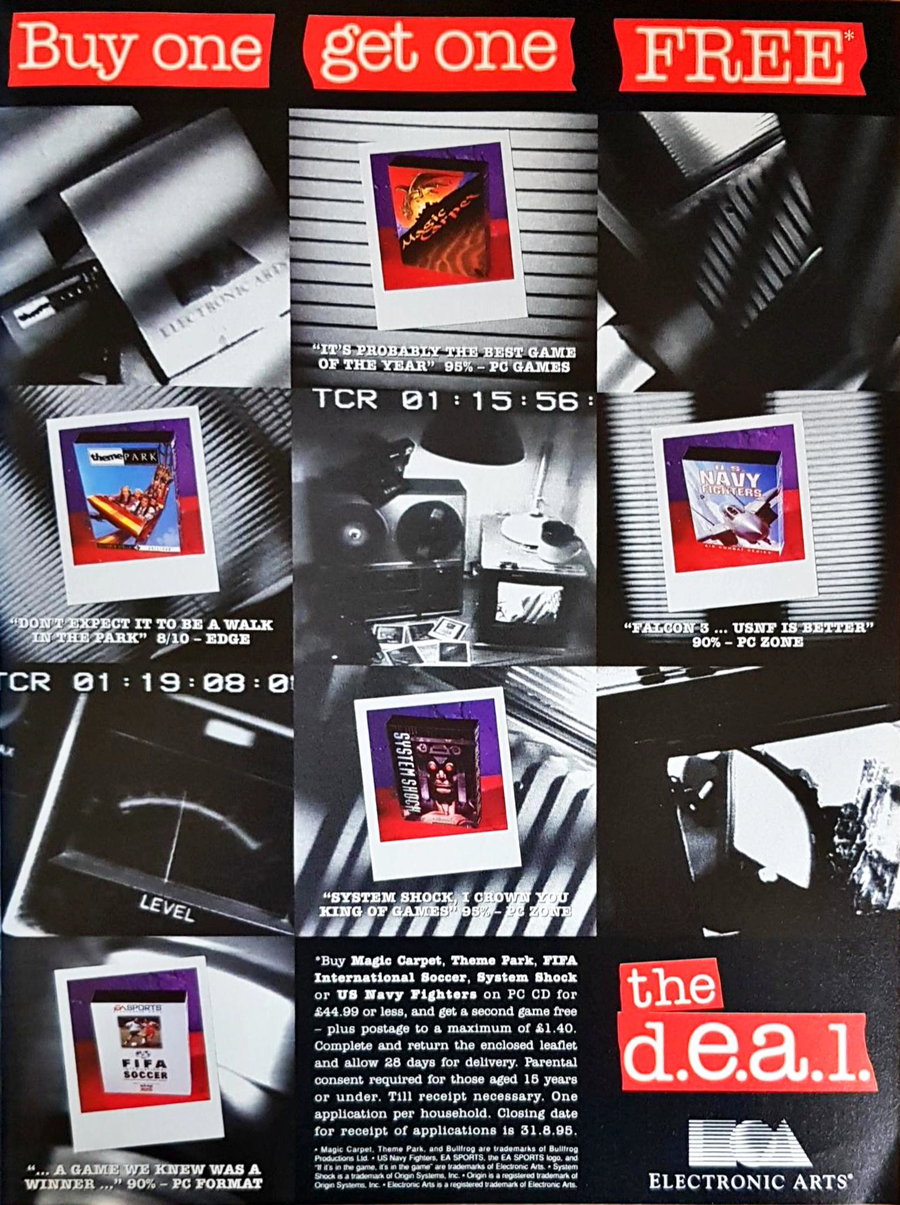
I’m less certain about Magic Carpet or Magic Carpet 2: if pressed, I’d say that the first one was the original release, and acquired as part of a buy one, get one free deal briefly offered by Electronic Arts in 1995, also including FIFA, Theme Park and System Shock (and U.S. Navy Fighters, which was the free game that we went for in the end – I think we looked at the nice graphics a few times without every really making any progress).

Theme Park was in our collection, too, but that was one of the first games that was ever bought for our PC and came a bit earlier than this offer, I think. Magic Carpet 2, though, I’m drawing a complete blank on… it was definitely released as an EA Classic, but something is telling me that it was part of a compilation of some kind. Ah, I don’t know.

But speaking of compilations, also included were two of Empire Interactive’s Award Winners collections: the Gold (Elite Plus, Jimmy White’s ‘Whirlwind’ Snooker, Sensible Soccer and Zool) and Platinum (Lemmings, Frontier: Elite II and Sid Meier’s Civilization) editions.

They were the only Award Winners compilations that I remember, but according to MobyGames there were a couple of others, including the original, non-specific-metal, Award Winners, released in 1992 (Kick Off 2, Pipe Mania, Populous and Space Ace) and 1997’s Award Winners No. 1 (Pro Pinball: The Web, Screamer, Star Trek: The Next Generation – A Final Unity).

(Also thank you to MobyGames for providing evidence that my memory of some bizarre cover art involving a man with long dreads jumping into the air with delight was an actual thing that existed).

Another compilation which certainly meets the definition of ‘random’ is Top 10 from Xplosiv, which bundled 7 Sega Saturn ports of variable quality (Panzer Dragoon, Sega Touring Car Championship, Sega Worldwide Soccer, Sonic 3D, Sonic R, Virtua Cop 2 and Virtua Fighter 2) with Combat Chess, International Cricket Captain 2000 and Pro Pinball: Timeshock! For some reason I’ve had Virtua Cop 2 and Timeshock! in my collection all these years, while the rest were left (untouched, no doubt) in a drawer at my parents’ place.

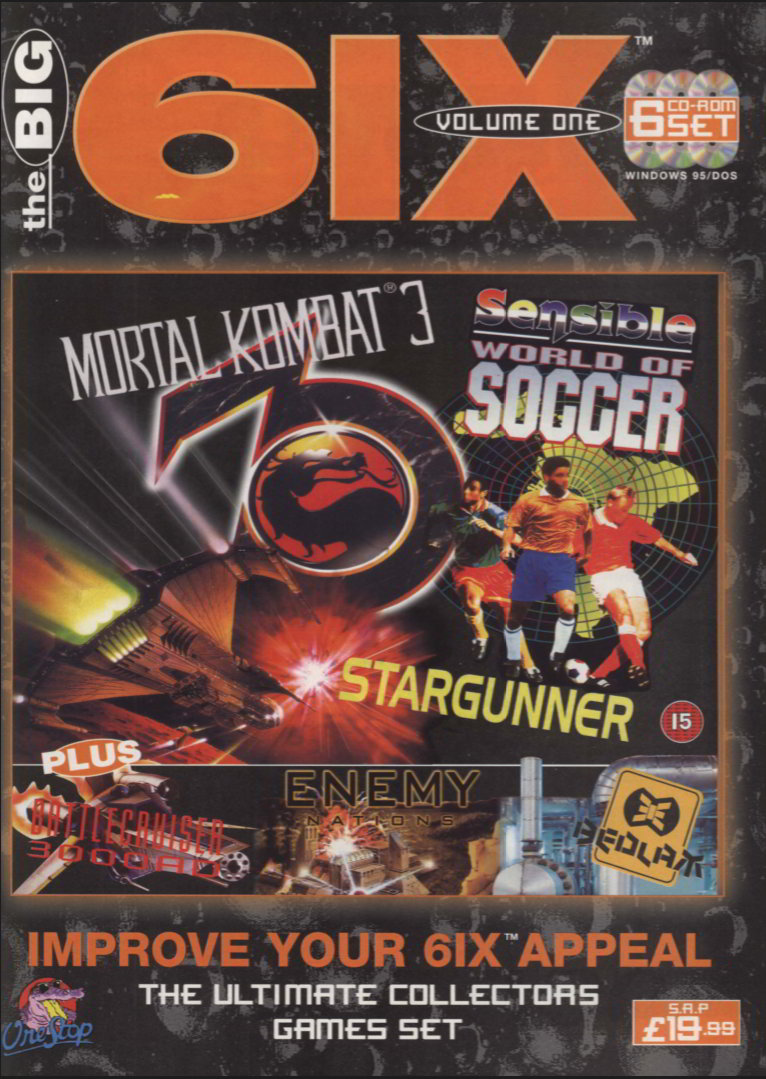
Also equally likely to have remained undisturbed was a copy of Mortal Kombat 3 bearing some markings that suggested it came from The Big 6ix. Which reminded me that the game didn’t actually run when I got it home and we had to send off for a replacement CD: it turns out this is the dodgy original, which still doesn’t work… I think I would have retained the other one for some time before ultimately committing it to either the real or metaphorical Big Cardboard Box. (I also had the original Mortal Kombat on floppy disk at some stage).

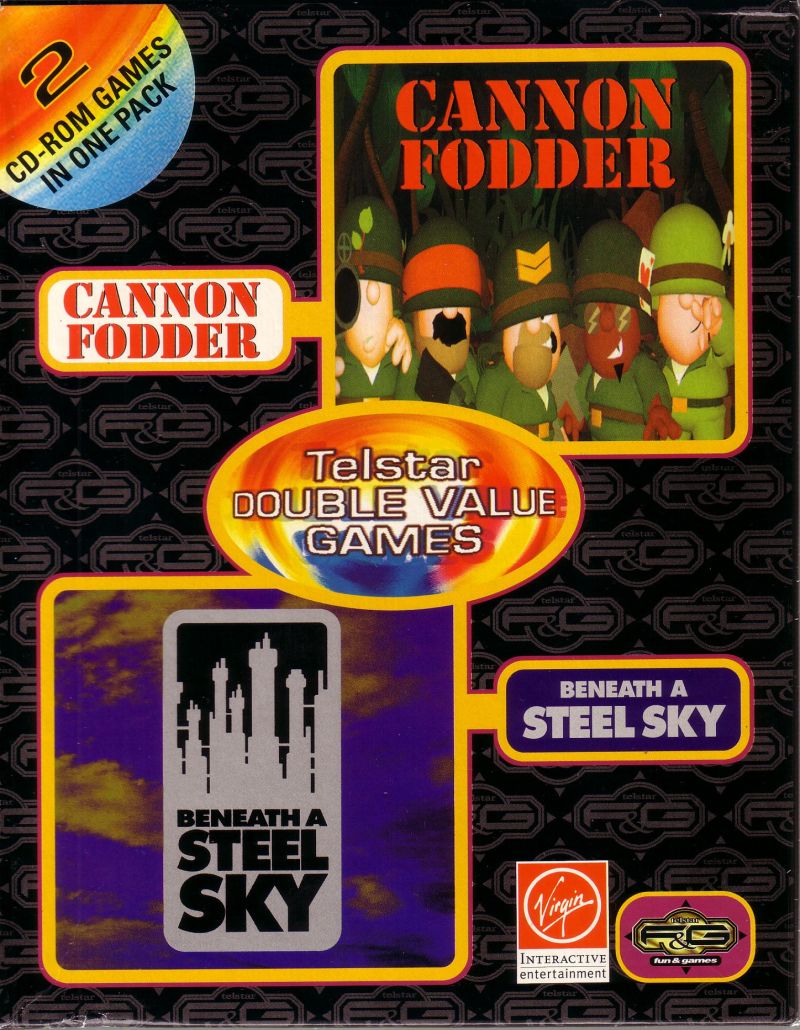
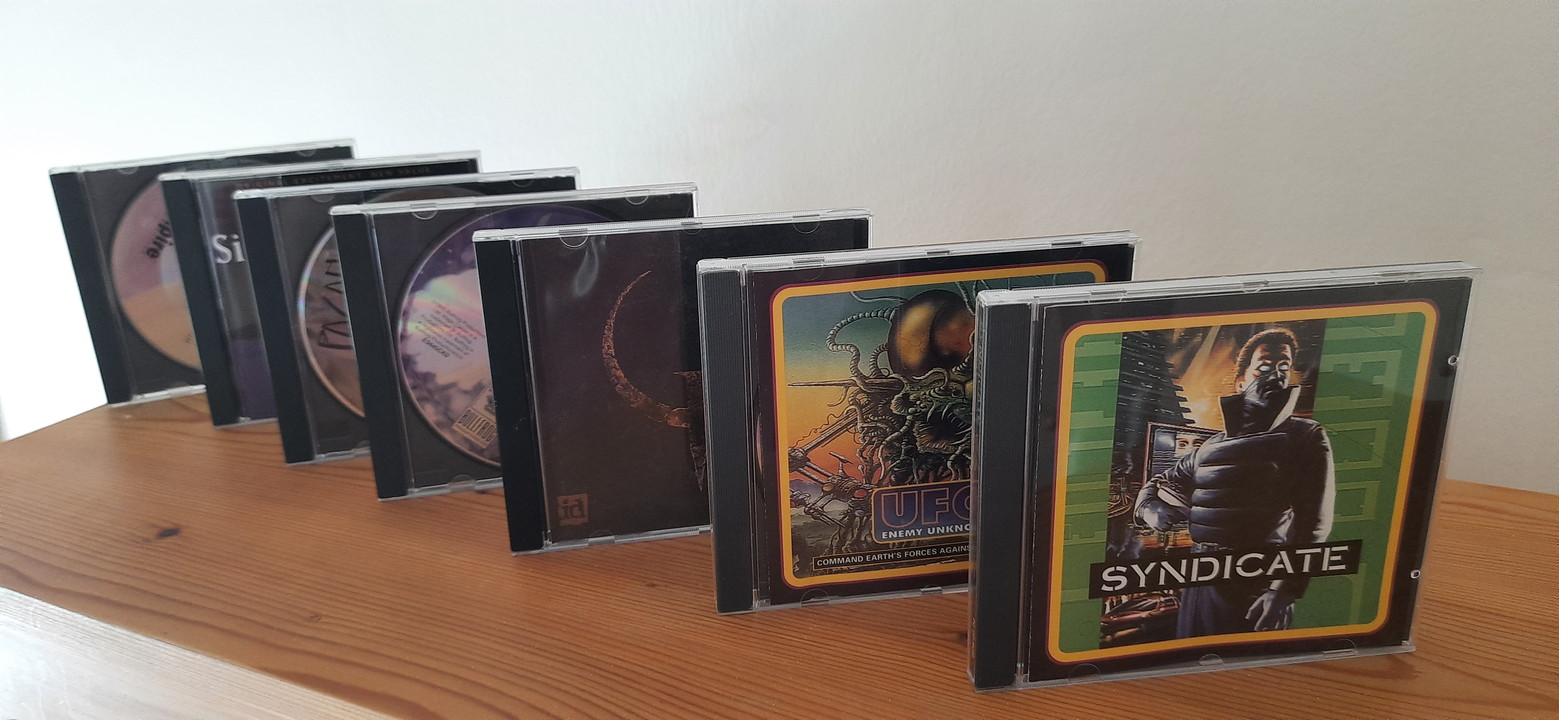
Games that my dad definitely did play: UFO: Enemy Unknown and Syndicate, which came bundled together in a twin pack as part of Telstar’s Fun and Games range. We had another of these packs, too, which put Cannon Fodder together with Beneath a Steel Sky. Curiously, three of the four discs have clear Telstar branding, while BASS looks like the original CD. There were a few others in this range, including yet another opportunity to own The 7th Guest, which was paired with Cryo’s Dune, and Alone in the Dark and Shadow of the Comet. (The wooden spoon award surely goes to the dubious combination of Bloodnet and the dreaded MegaRace). If memory serves, these weren’t mega-cheap, possibly around £30 or so, but worth it if both games were good, I guess.

Also found: Quake! I’m fairly certain that this was on the Replay label as previously discussed, although it was from the disposable yellow sleeve era, and only the jewel case remains, so I could always say that I ran out and bought it upon release because I was such a big fan (although inexplicably then lost or threw away the box and accompanying documentation).

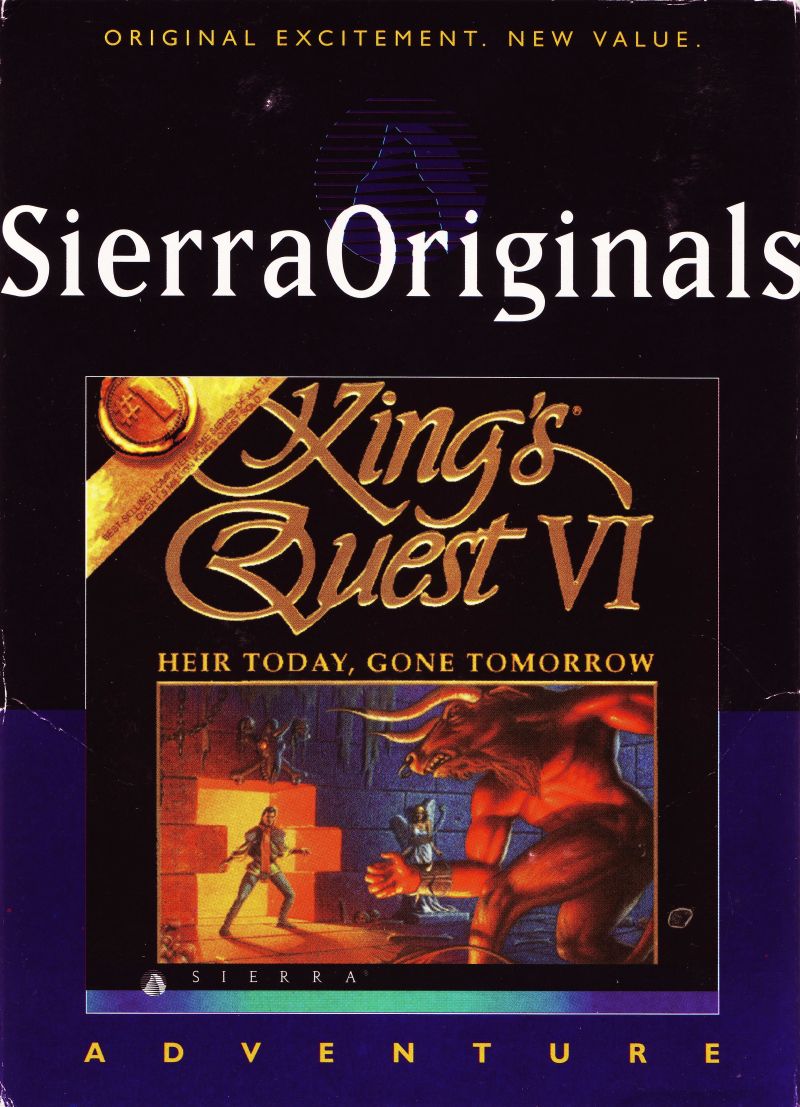
Rescuing a copy of King’s Quest VI (which wasn’t technically necessary, since I also have it on a compilation somewhere) I was reminded of the Sierra budget series, Sierra Originals (stylised as SierraOriginals), the tag-line of which (‘Original Excitement, New Value’) was at odds with some otherwise fairly staid presentation. There’s a printed manual here, too, albeit only as part of the jewel case inlay.

I have very little memory of this or any other Sierra budget range, until the BestSeller Series of the DVD box era, which brought me copies of No-One Lives Forever and its sequel (which are still in my collection) and Stoo’s favourite complicated-looking space-based 3D RTS of the late 90s, Homeworld (which isn’t).

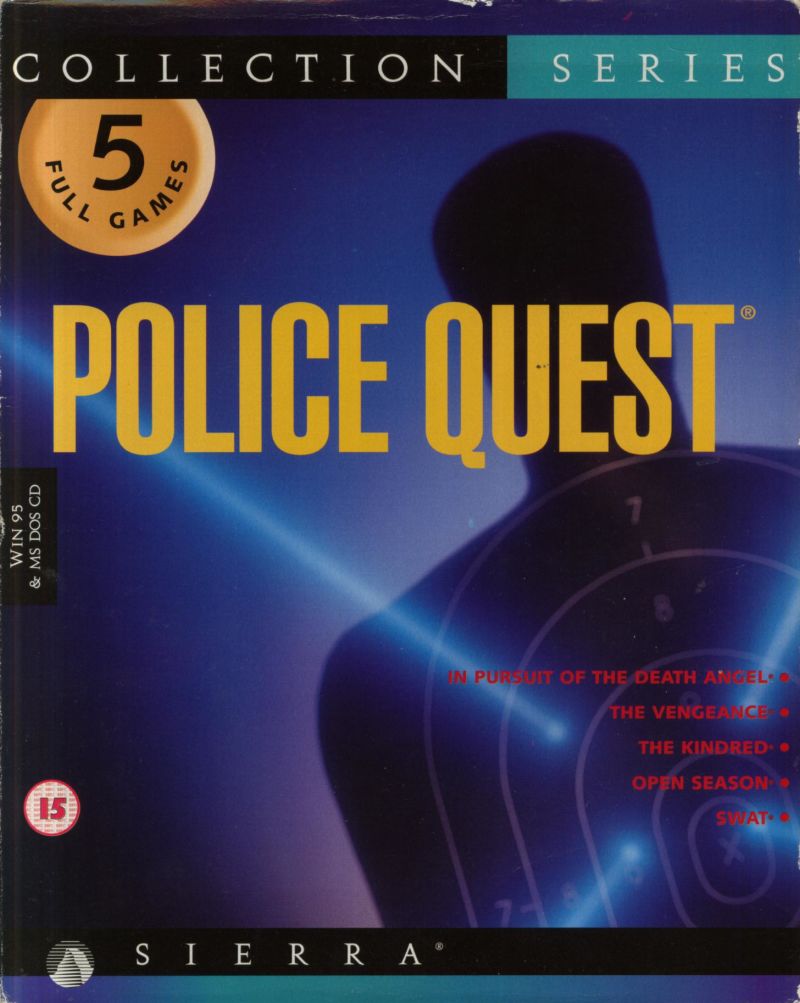
I have a stronger memory of various Sierra collections, including a Police Quest box-set of the late 90s, which bundled together the relatively lightweight adventures of Sonny Bonds with the slightly more grisly and serious later instalments. The one I had was called Police Quest: Collection Series and featured the first, FMV-heavy, SWAT game as well as the more traditional point and clickers.

(The original incarnation of the Cupboard of Shame involved giving away unwanted titles to anyone willing to pay postage: I sent my PQ Collection to the States, awaited payment, and cursed myself for my naivety when it did not immediately arrive – although, to be fair, after a few reminders (and passing months), the recipient did eventually get in touch and pay up).

Among the sundry other bits and bobs which I thought I should take were a couple of MicroProse titles, Grand Prix 3 and X-Com: Apocalypse. (I’m not sure why, as my thoughts on F1 games have been recorded fairly recently, and I think Apocalypse was deemed baffling and over-complicated even by those who had played the previous UFO/X-Com games).

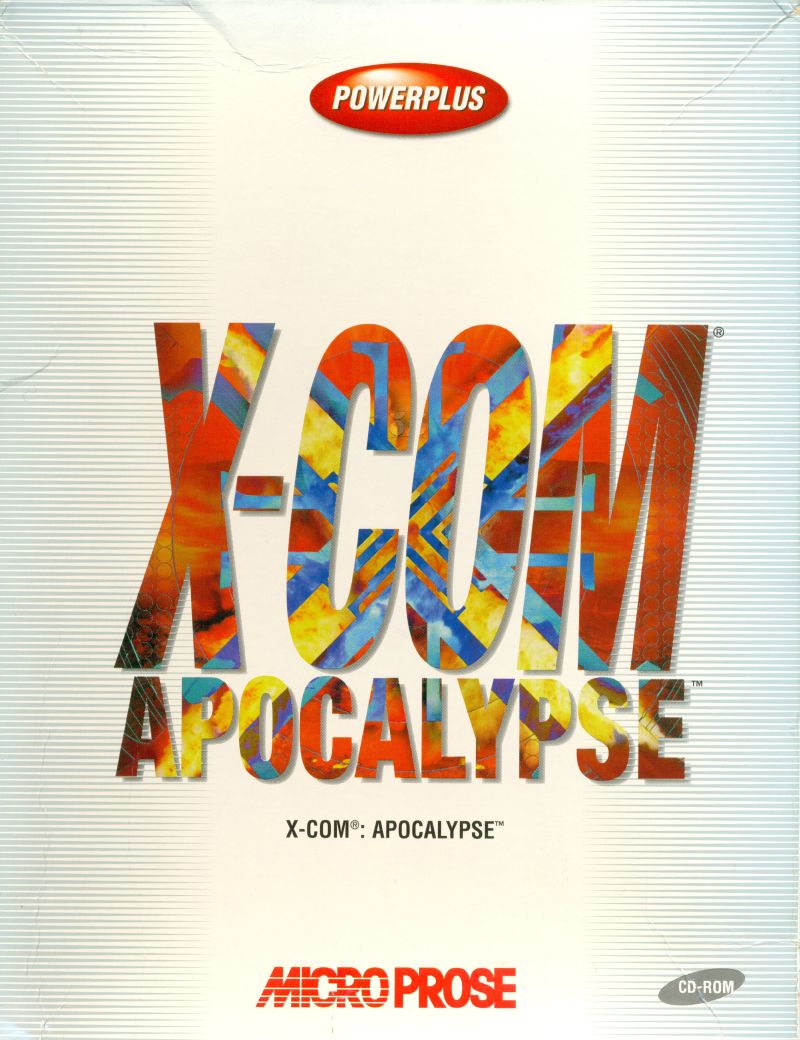
Anyway, even though neither bore its markings, I was reminded of MicroProse’s 90s budget range, Powerplus, which had a fairly distinctive presentation of a plain white box with the game artwork only visible through the text of its title. (I’m sure there’s a proper name for that. Is there? Well, you can see what I mean below).

And there we have it – a few more gaps filled in, and hopefully a prompt for some more memories to return: I’m pretty sure that decisions like who got the copy of Quake and the carving up of the Xplosiv compilation will have happened around the time I moved out of the family home once and for all, so perhaps further specifics of what was in the Big Box of 2002 will come to mind.

If not, we’ll probably just rake over the history of another budget range or something. Excited? You will be.

—

NB: All box scans sourced from MobyGames.

The EA advert was taken from Issue 26 (May 1995) of PC Zone, scans of each and every issue of which can be found at Pix’s Origin Adventures.

Discussion: The Suicide of Rachel Foster (spoilers!)

September 13th, 2021

Written by: Rik

Welcome again to Discussion: [indie game] (spoilers!), a series in which we discuss an indie game, with spoilers.

Today’s game is The Suicide of Rachel Foster (developed by One O One Games and published by Daedalic Entertainment in 2020), in which you play as Nicole Wilson, a young woman returning, after the death of her parents, to an abandoned hotel that was once her childhood home.

It’s a place that brings back unpleasant memories for Nicole, whose family life was torn apart following revelations of her father Leonard’s affair with a teenage girl, the eponymous Rachel, who was later found to have taken her own life.

Normally at this point I’d drop a teaser trailer here and offer generic encouragement to spend time with the game before proceeding. However, unlike in most of the games we’ve covered thus far, the serious topics within, and how they’re handled here, are cause for some concern.

If you think you know what you’re getting into from the name of the game and the brief synopsis above, be warned: you’re not. It makes some rather alarming decisions at various points, particularly towards the end, and it’s a hard one to recommend as a result of some of its missteps. So some caution is advised, especially as the trailer makes it look quite good.

Ok? Now here’s your ***FINAL SPOILER WARNING*** for the discussion below.

Discussion: The Suicide of Rachel Foster (spoilers!) continued »